


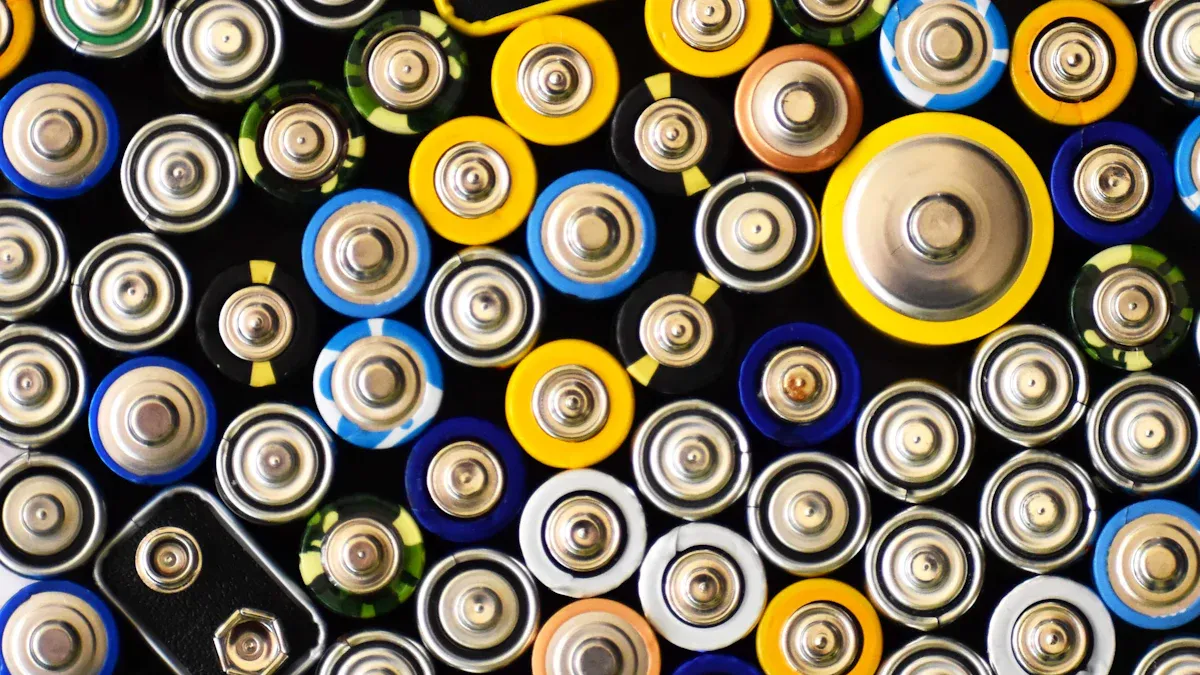
Mobile power technology is getting better very quickly. Global mobile data traffic goes up by 11% each year. Portable power stations are expected to grow even faster. Modern smartphones, IoT devices, and AI hardware need better batteries. Engineers work to make batteries safer and more efficient. They want batteries to hold more energy. Developers now focus on smarter battery management. They also work on making batteries last longer. These changes help meet what users want. As new ideas come out, safety stays very important. User experience is also a big part of new power technology.
Key Takeaways
- Mobile power technology has changed a lot over time. Batteries used to be heavy and slow. Now, we have lighter, faster, and safer batteries like lithium-ion and semi solid-state. Semi solid-state batteries can hold more energy. They are safer and charge faster than old lithium-ion batteries. Safety is better now because of gel-like electrolytes. Smart battery management systems also help stop overheating and fires. New batteries last longer and make less waste. This helps the environment and supports sustainability. Modern devices need more power than before. Battery technology must keep getting better for longer life and quick charging. Renewable energy and hybrid energy harvesters help power devices in a green way. This cuts down on pollution and saves fuel. In the future, mobile power will charge fast and support many devices. It will have built-in cables and smart safety features for a better user experience. Companies like Skyfie Technology are leading the way. Their semi solid-state power banks are safe, strong, and work well for daily use.
Evolution of Mobile Power Technology
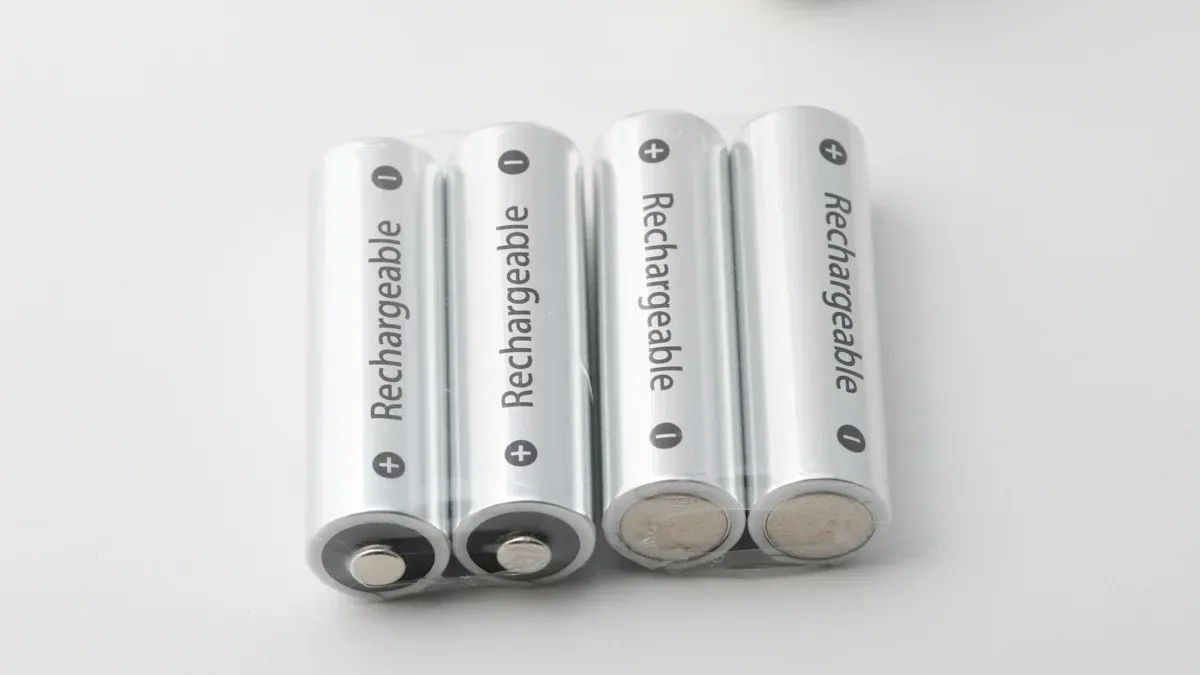
Early Battery Types
Early mobile power technology used different battery types. Each type had its own good and bad points.
- Lead-acid batteries were made in 1859. They used lead and sulfuric acid. These batteries were strong and lasted long. But they were heavy and took a long time to recharge.
- The Leclanché cell came out in 1866. It used a zinc anode and manganese dioxide cathode with ammonium chloride. It gave about 1.4 volts. But it could not give power for a long time. Its inside parts made it weaker as it worked.
- Nickel-metal hydride (NiMH) batteries started in 1989. They were better than nickel-cadmium batteries. They lasted longer and were less harmful to the environment.
- Lithium-ion batteries were sold in the 1970s. They had a high energy-to-weight ratio. They also recharged quickly. But they did not last as many cycles. They got old even if not used.
Note: The table below shows the main chemicals and how these early batteries worked.
| Battery Type | Chemical Composition | Capacity (Wh) | Charge Time | Cycle Life (full cycles) | Performance Characteristics |
|---|---|---|---|---|---|
| Lead-acid | Lead and sulfuric acid | 300 – 500 | Up to 12 hours | 300 – 600 | Strong, reliable, heavy, slow to recharge, not good for the environment, does not last long (3-5 years daily use) |
| Leclanché cell | Zinc anode, manganese dioxide cathode, ammonium chloride electrolyte | N/A | N/A | N/A | Gave about 1.4 volts, could not give power for long, got weaker as it was used |
| Lithium-ion (Li-ion) | Lithium-based chemistry | 200 – 250 | Less than 3 hours | 400 – 1,200 | Small, recharges fast, lighter, gets hot when used, does not last as long (~3 years), gets old even if not used |
| Nickel-metal hydride (NiMH) | Nickel-metal hydride chemistry | N/A | N/A | Longer than NiCd | Lasts longer than NiCd, less harmful, started in 1989 |
| Lithium-Iron-Phosphate (LiFePO4) | Lithium-iron-phosphate chemistry | ~330 | 2 – 3 hours | Up to 11 years | Safer, does not get hot, lasts long, heavier (~8 lbs), strong like lead-acid and recharges fast like Li-ion |
Rise of Lithium-Ion
Lithium-ion batteries changed mobile power technology a lot. They are small and hold a lot of energy. This made them great for things like smartphones and laptops. Makers built lithium-ion batteries to be smaller and lighter. They needed to power things that always connect to the internet and have clear screens. Some batteries now use silicon anodes instead of graphite. This lets them hold more charge and last longer. Solid-state batteries use solid electrolytes. This makes them safer and lets them store more energy. They also weigh less. New recycling methods help the environment. Used batteries can be used again in other ways. Rules, like the European Union’s law for replaceable batteries by 2027, also affect how batteries are made and used.
Need for Innovation
Lithium-ion batteries still have some problems. Sometimes they can catch fire or explode if they get too hot. This makes them unsafe for some uses. Getting materials like lithium, cobalt, and nickel can hurt the environment and people nearby. Some batteries do not last long or take too long to charge. These problems make scientists look for better options. They study solid-state batteries, sodium-ion, and iron-air batteries. These new types try to be safer, cost less, and help the environment. People want better mobile power technology as devices need more power and users want more from their batteries.
Drivers of Change
Device Power Demands
Modern devices are stronger and more complicated now. Smartphones, laptops, and wearables have new features like AI and sharp screens. They also stay connected all the time. These things use more energy than before.
- AI and generative AI apps make devices use more power.
- Games and social media need more CPU and GPU power. This makes batteries run out faster.
- Generative AI will grow a lot by 2028. This means battery size matters even more.
- Battery technology must get better to keep up.
- Silicon anode batteries can hold up to 30% more power than top smartphone batteries now.
- People want batteries that last longer and charge faster.
- Battery energy density has gone up by 30-40% in ten years. Devices can work longer without getting bigger.
- Fast-charging lets people charge their phones quickly.
- Laptops need bigger batteries for better screens and faster chips.
- Wearables need small but strong batteries to last days.
- Companies spend money on new batteries like solid-state and graphene-enhanced types.
Note: Device makers want better batteries to stand out. Longer battery life and fast charging are shaping the future of mobile power.
Safety and Reliability
Safety is very important for mobile power technology. Lithium-ion batteries are common but can be risky. They sometimes get too hot, catch fire, or even explode. These problems have gone up by 28% in five years. Most issues happen when charging or using the device. Overcharging, damage, or wrong chargers cause many problems.
- Overheating, smoking, sparking, fires, and explosions happen most often.
- 54% of businesses have had problems like overheating or explosions.
- Problems come from factory mistakes, user changes, or charging issues.
- Signs of battery failure are bulging, popping, hissing, or gas coming out.
- Fires can start again after being put out, so they are hard to stop.
- Emergency shutdowns and careful handling lower the risks.
Makers now use smart battery systems to watch temperature and charging. These systems help stop overcharging and overheating. New battery designs like semi solid-state and solid-state use safer materials and better controls. These changes make mobile power safer and more reliable for everyone.
Sustainability
Sustainability is pushing new ideas in mobile power technology. Old ways of making and throwing away batteries hurt the environment. Making lithium-ion batteries uses lots of energy and water. For example, making one tonne of lithium can use about 2 million tonnes of water. This causes water shortages in places like South America’s Lithium Triangle.
- Mining for metals like nickel and cobalt hurts land and pollutes water.
- Only about 5% of batteries get recycled because it costs a lot and takes time.
- Most old batteries go to landfills, which adds to pollution.
- Battery factories often use fossil fuels, which makes more carbon and health problems.
Studies show that making and recycling batteries causes carbon emissions, uses resources, and pollutes. These facts show why we need greener solutions.
The industry now tries to use renewable energy, recycle better, and mine in safer ways. New batteries use safer materials and last longer, so there is less waste. As sustainability gets more important, companies work to make mobile power both efficient and eco-friendly.
Next-Gen Battery Technologies
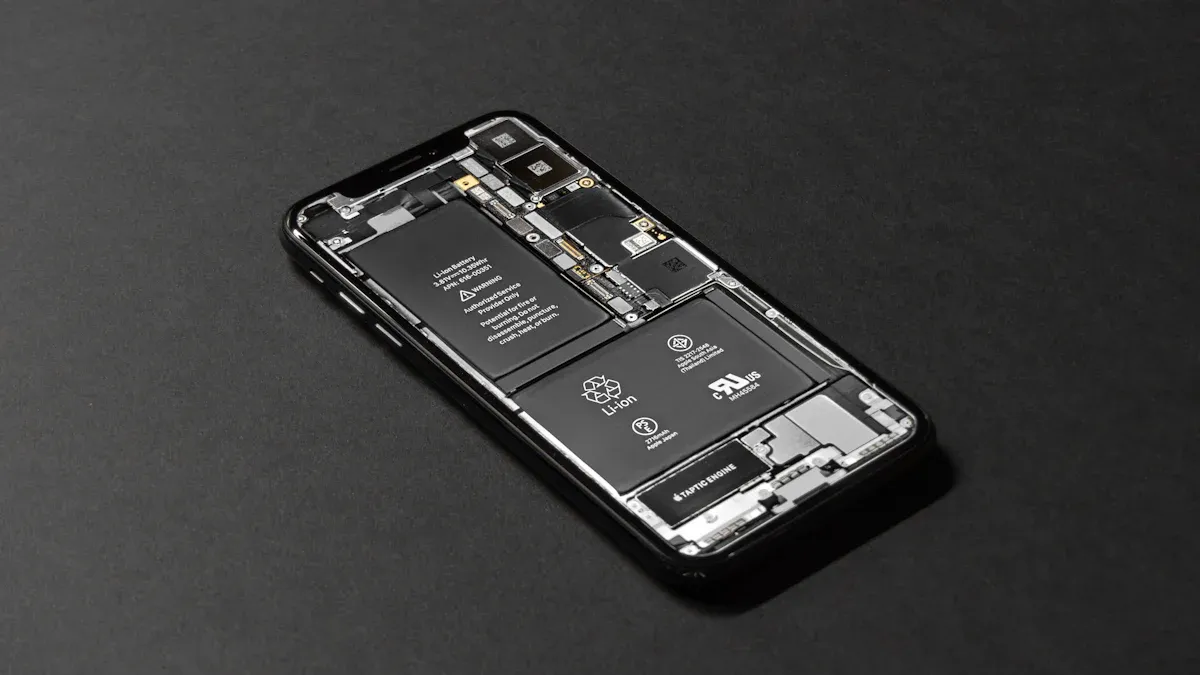
Solid-State Batteries
Solid-state batteries are a big step forward in battery design. They use a solid electrolyte, not a liquid one. This change gives many important benefits. Solid-state batteries can hold two to three times more energy than lithium-ion batteries. They charge much faster, reaching 80% in about 12 to 15 minutes. These batteries last longer, often over 5,000 cycles before losing power. The solid electrolyte makes them safer. There is no risk of leaks and the chance of fire or overheating is much lower. Solid-state batteries work well in very hot or cold places, from -30°C to 100°C.
| Performance Metric | Solid-State Battery | Lithium-Ion Battery |
|---|---|---|
| Energy Density (Wh/kg) | 500-700 | 250-300 |
| Charging Time (0-80%) | 12-15 minutes | 30-45 minutes |
| Cycle Life (@80% capacity) | 1,000 cycles | 2,000 cycles |
| Operating Temperature | -30°C to 100°C | 0°C to 45°C |
| Thermal Runaway Risk | 0.02% | 0.18% |
| Cost per kWh | $800-$1200 | $100-$150 |
Solid-state batteries have more energy, charge faster, and are safer than lithium-ion batteries. But they cost more and are harder to make. Companies like Toyota and Volkswagen are trying to sell these batteries, but there are still problems to fix.
Some main problems are:
- Solid-state batteries need more tests in real life, like with temperature changes and bumps.
- Making them is hard and needs new factories and ways to build.
- The technology is not fully proven for phones or cars yet.
- They cost a lot to make, and recycling is still being worked on.
- Sometimes, lithium dendrites can grow inside and cause short circuits.
Semi Solid-State Batteries

Technology Overview
Semi solid-state batteries are between lithium-ion and solid-state batteries. They use a gel-like electrolyte that mixes features of both types. This design keeps some parts from lithium-ion batteries but adds a polymer film and a little organic solvent. This makes the battery safer and more stable.
| Aspect | Lithium-Ion Battery | Semi-Solid-State Battery | Solid-State Battery |
|---|---|---|---|
| Electrolyte Type | Liquid | Gel-like semi-solid | Solid |
| Structure | Separator needed | Separator needed | No separator |
| Energy Density (Wh/kg) | 150-250 | 300-500 | 500-700 |
| Safety | Flammable | Reduced flammability | Best safety |
| Cycle Life | 500-1500 | Up to 3000 | 1,000+ |
| Fast Charging | Limited | Supports fast charging | Ultra-fast |
| Temperature Performance | Best low temp | Good low temp | Best high temp |
| Manufacturing | Established | Similar to lithium-ion | Complex |
Semi solid-state batteries are a good upgrade for mobile power technology. They give more energy and are safer. They also work with current ways of making batteries.
Safety and Durability
Recent studies show semi solid-state batteries are very safe and last long. The gel-like electrolyte lowers the risk of leaks and fire. These batteries handle heat better and stay stable even when it is hot. Tests show they make very little heat, even at 150°C. They keep working well after many charges, with little change inside. This means they last longer and are more reliable.
| Benefit Category | Specific Benefits | Details |
|---|---|---|
| Safety | No liquid leakage | Eliminates common failure modes |
| Improved thermal stability | Reduces risk of overheating | |
| Enhanced reliability | Better battery safety | |
| Durability | Longer cycle life | Less electrode degradation |
| Wide temperature range | -50°C to 200°C | |
| Performance | Faster charging | Charging time reduced by two-thirds |
| Commercial | Easy to scale | Compatible with current factories |
Skyfie Technology is a leader with its Semi Solid-state Power Bank series. These power banks use advanced semi solid-state batteries for safer, faster, and more reliable charging. The design has a smart battery management system (BMS) to stop overcharging, overheating, and short circuits. The power banks pass tough durability tests, making them 30% stronger than normal. People can trust these devices in very cold or hot weather.

Energy Density
Semi solid-state batteries almost double the energy density of lithium-ion batteries. They can reach up to 500 Wh/kg, so they give more power in a smaller, lighter battery. This means devices last longer between charges. The batteries also charge faster, so users wait less for power. Skyfie’s Semi Solid-state Power Bank hot sell models, like the SF-SPB20, SF-SPB21-2, SF-SPB22-2, and SF-SPB23-2, use this technology. These power banks offer wired and magnetic wireless charging, support the latest QI2.2 standard, and work with MagSafe devices. Their small size makes them easy to carry, and their high power meets the needs of today’s smartphones and gadgets.
Skyfie’s power banks mix high energy density, strong safety, and work with many devices, setting a new level for portable charging.


Other Emerging Chemistries
Scientists are looking for new battery chemistries to make mobile power better. Some of the most promising types are:
- Lithium-sulfur batteries: These can store much more energy than lithium-ion batteries. They have problems with how long they last and staying stable, but could power future devices.
- Sodium-ion batteries: Sodium is easier to find and costs less than lithium. These batteries are cheaper, but their energy density is still getting better.
- Lithium-air and lithium-metal batteries: These new designs could give even more energy. They are still being studied but might change portable power in the future.
- Alternative metal-ion batteries: Types like potassium-ion, magnesium-ion, and calcium-ion batteries use materials that are easy to find. They could be good for the environment and easy to make in large amounts.
The search for better batteries goes on. Each new chemistry tries to fix problems like running out of resources, safety, and cost, helping to build the next generation of mobile power.
Advances in Mobile Power Technology
Integration with IoT and Edge Devices
Mobile power technology is very important for IoT and edge devices. These devices must work a long time without charging often. Engineers use smart ways to help batteries last longer and work better.
| Strategy | Description | Impact on Battery Performance and Efficiency |
|---|---|---|
| Nanopower Ship Mode | Lets devices use very little power when not working by controlling power states exactly | Uses less power, so batteries last longer |
| Sleep Mode Optimization | Sensor nodes sleep most of the time and wake up only to collect data | Saves energy when not in use, so batteries last longer |
| Duty Cycle Management | Controls when devices are active or asleep to stop wasting power | Balances fast response and saving power |
| Integrated Battery Management Solutions (e.g., MAX16163) | Gives exact control over power use and makes devices smaller | Makes devices use less power and saves space |
Many IoT devices use these smart ideas. They save energy by sending hard jobs to edge servers close by. If devices do all the work themselves, batteries run out fast. Sending jobs to the cloud can be slow. Hybrid systems use both local and edge servers for better battery life and user experience. Devices change how they work based on network speed, battery level, and what users need. Mobile AR apps use smart offloading to keep good quality and save battery.
Edge offloading helps small IoT devices too. Moving hard jobs to edge servers saves energy and makes devices faster. Deep Reinforcement Learning (DRL) helps decide when to send jobs away, using network and device info. Convolutional Neural Networks (CNN) on edge devices help them learn and make choices quickly. This makes devices faster, saves energy, and stops jobs from failing. Transfer learning uses models that already know things to make systems work even better.
Named Data Networking (NDN) with edge computing is a new way to handle data. NDN uses data names instead of device addresses. This helps store data better and use resources well. It can make things 25% faster and save 15% more energy in IoT systems. It also stops extra data from moving around, so batteries last longer. The system changes with the network, making battery use smarter and more reliable.
These new ideas show how mobile power technology helps IoT and edge devices. With smart management and offloading, devices last longer, work faster, and give users a better experience.
Renewable Energy and Self-Sustaining Solutions
Renewable energy is changing how we power things. Many companies use solar and wind to charge batteries now. They do not need fossil fuels as much. Mobile battery energy storage systems, or BESS, work with renewable energy. They help make small power grids that do not need the main grid. These microgrids are used at building sites, outdoor events, movie sets, and in emergencies. BESS can take the place of diesel generators. Diesel generators are noisy and make pollution. BESS gives quiet power with no emissions. You can move them to where power is needed.
Hybrid energy harvesters are also important. These devices collect energy from sunlight, wind, waves, and even vibrations. Engineers make them for wireless IoT devices and sensor networks. In places like train systems, it is hard to run wires or change batteries. Hybrid harvesters keep sensors working for a long time. They help devices work with little care. They use energy from the environment, so there is no pollution or waste.
Tip: Hybrid energy harvesters help power devices in faraway or tough places. This means you do not need to change batteries often, and it saves money.
Many industries use these new ideas. Electric car fleets use mobile battery systems to charge cars without the grid. Utilities use them to bring back power after storms. Event planners set up power stations with solar panels and batteries. These ways help use less fuel and lower carbon emissions.
The table below shows how renewable and self-sustaining solutions are different from diesel generators:
| Feature | Renewable & Self-Sustaining Solutions | Traditional Diesel Generators |
|---|---|---|
| Emissions | None | High |
| Noise Level | Silent | Loud |
| Fuel Requirement | None | Ongoing |
| Maintenance | Low | High |
| Flexibility | High (portable, scalable) | Medium |
| Operating Cost | Low (after setup) | High |
In the future, mobile storage systems will use more types of renewable energy. They will have smart software to manage power. These systems will work by themselves. They will not need fuel or much care. As technology gets better, more people and businesses will pick renewable and self-sustaining power.
Comparing Battery Solutions
Energy Density
Energy density tells us how much energy a battery can hold for its size or weight. This is important for mobile devices. People want batteries that last longer but are not heavy. Battery technology has improved energy density a lot.
- Semi-solid-state batteries can reach up to 350 Wh/kg. This is more than most lithium-ion batteries.
- Their electrodes look like sponges with tiny holes. This design lets them hold more active material than lithium-ion batteries.
- The semi-solid electrolyte helps ions move faster. This makes the energy density even better.
- Solid-state batteries can store even more energy. But they are still new for most people to use.
| Battery Type | Typical Energy Density (Wh/kg) |
|---|---|
| Lithium-ion | 150 – 250 |
| Semi-solid-state | Up to 350 |
| Solid-state | 300 – 500+ |
Semi-solid-state batteries are better than lithium-ion for energy density. They are great for people who want more power in a small, light device.
Safety
Safety is very important for people who use batteries and for companies that make them. If batteries fail, they can get too hot, catch fire, or even explode. New battery designs try to stop these problems.
- Lithium-ion batteries use a liquid that can burn. If the battery is damaged or charged wrong, it can leak or catch fire.
- Semi-solid-state batteries use a gel-like material. This gel does not leak or burn easily, so the battery is safer.
- Solid-state batteries use solid materials. These do not burn or leak, so fires are even less likely.
- Smart battery management systems, like in Skyfie’s Semi Solid-state Power Bank, add more safety. They watch the temperature, stop overcharging, and prevent short circuits.
New battery technology makes portable power safer for daily use, travel, and outdoor fun.
Charging Speed
Charging speed is about how fast you can use your device again. Battery technology now lets us charge much faster than before.
- Solid-state batteries have done well in real tests. For example, Factorial Energy charged a solid-state battery from 15% to over 90% in only 18 minutes at room temperature.
- Some studies say solid-state batteries could charge from 10% to 80% in about 5 minutes. This is up to six times faster than lithium-ion batteries.
- Semi-solid-state batteries also charge quickly. Their ions move well, so they charge faster than lithium-ion batteries.
- Lithium-ion batteries can get too hot if charged too fast. This can make them wear out sooner.
| Battery Type | Typical Fast Charging Time (0–80%) |
|---|---|
| Lithium-ion | 30 – 45 minutes |
| Semi-solid-state | 15 – 25 minutes |
| Solid-state | 5 – 18 minutes |
Faster charging means you wait less and have more time to use your device, which is helpful for busy people.
Environmental Impact
Battery technology changes how we use devices and affects Earth. Every battery type impacts the environment in its own way. People and companies now care more about air, water, and land.
Lithium-Ion Batteries
Lithium-ion batteries are in most phones, laptops, and electric cars. Making them needs lots of energy and water. Mining for lithium, cobalt, and nickel can hurt land and dirty water. Only a few lithium-ion batteries get recycled. Most go to landfills and can leak bad chemicals.
Semi Solid-State Batteries
Semi solid-state batteries use materials that do not burn easily. They often last longer than lithium-ion batteries. This means fewer batteries are made and thrown away. The gel-like electrolyte is safer for nature. Many factories can make these batteries with current machines, which saves resources. They also use less rare metal, which helps keep nature safe.
Solid-State Batteries
Solid-state batteries have solid electrolytes. They do not leak or catch fire easily. This makes them safer for people and the planet. These batteries can last even longer than semi solid-state ones. Fewer replacements mean less waste. Some solid-state batteries use new materials that are easier to recycle. But making solid-state batteries can still use lots of energy.
🌱 Tip: Picking batteries that last longer and are easy to recycle helps the environment.
Table: Environmental Impact of Battery Types
| Battery Type | Resource Use | Recyclability | Toxicity Risk | Waste Generation |
|---|---|---|---|---|
| Lithium-Ion | High | Low | Medium | High |
| Semi Solid-State | Medium | Medium | Low | Medium |
| Solid-State | Medium | High | Low | Low |
Key Points to Remember:
- Longer battery life means less waste.
- Safer materials lower the chance of pollution.
- Better recycling saves resources.
- Using less rare metal helps protect nature.
Many companies now make batteries that are better for the environment. They use cleaner energy in factories and find new ways to recycle old batteries. Skyfie Technology makes semi solid-state power banks that last longer and use safer materials. These steps help cut pollution and save resources for the future.
Picking the right battery can help the planet. People can help by choosing products with safer, longer-lasting batteries.
Real-World Innovations
Skyfie Technology Case Study
Product Features
Skyfie Technology is a top company in mobile power. Their Semi Solid-state Power Banks use new battery technology. These power banks are safer and more reliable than others. Each model is made to be safe, strong, and easy to use. The table below shows the main models and what makes them special:
| Product Model | Distinguishing Features |
|---|---|
| Semi Solid-state Power Bank | Uses semi-solid-state battery technology for better safety, durability, and efficiency. Offers improved temperature control and higher energy density. Works with many devices, including wearables, tablets, and smartphones. Protects against short circuits, overheating, and overcharging. Portable and stylish for daily use. |
| Semi Solid-state Wireless Power Bank | Supports wireless charging with QI2 Wireless Charger compatibility. Allows cable-free charging by placing devices on the pad. Features magnetic connectors to protect charging ports. Shares the same safety and durability as other models. Compact and easy to carry. |
Skyfie’s power banks can charge with magnets and use the newest QI2.2 standard. People can charge their devices fast and safely at home or outside. The smart battery system keeps devices safe from problems and helps them work well.
User Scenarios
Skyfie’s semi solid-state power banks work for many people and places. People use them when they travel, go to work, or have fun outside. The batteries keep users safe, even in hot or rough places. These power banks last longer than old lithium-ion ones and work well after many charges.
- People who travel to work like the small size for easy charging.
- Travelers like that the power banks are light and work with many devices.
- People who camp or hike trust the strong build and weather resistance.
- Families use them for backup power during storms or blackouts.
Skyfie cares about safety, good design, and making power banks that people trust. Their products lower the chance of fire or explosion and give steady, strong power.
OEM and Global Partnerships
Skyfie Technology works with brands, stores, and sellers around the world. They let partners change products to fit what people need in different places. Skyfie’s team works hard to make new and better products.
Businesses pick Skyfie because they make safe and high-quality power banks. Skyfie’s big network means people everywhere can get these new chargers. Their partnerships help bring safe and advanced power banks to more people.
Future of Mobile Power Technology
Trends and Breakthroughs
Mobile power technology will change a lot soon. USB-C ports are now used for charging most devices. This means people can use one charger for many things. USB Power Delivery (PD) can give up to 240W. Laptops, tablets, and phones can charge much faster now. Gallium Nitride (GaN) chargers are getting more popular. These chargers are smaller and do not get as hot. They also work better than old silicon chargers. People can carry just one small charger for all their devices.
Portable chargers and power banks have new features. Some can charge very fast, up to 65W. A few chargers can both give and take power. This means you can use your device to charge something else. Many chargers have more than one port, like USB-A and USB-C. You can charge different devices at the same time. Some chargers have built-in cables. This makes it easy to travel and helps cut down on waste.
Smart device recognition is a new idea. Chargers can tell what device is plugged in. They change the power to keep charging safe and fast. New safety features help stop short circuits and overheating. They also protect against overcharging. Many power banks are small and strong. Some are even waterproof, so you can use them outside.
The future will give everyone easy, fast, and safe charging. People will have less mess and safer devices.
Impact of 6G and AI
6G networks will change how we use mobile power. 6G will let devices charge wirelessly while they talk to each other. Some sensors and phones may not need batteries in the future. Wireless Information and Energy Transfer (WIET) will help wireless charging last longer. 6G will help devices have longer battery life. People will not need to charge their devices as often.
Artificial Intelligence (AI) will be very important for mobile power. AI and machine learning will help manage energy better. This will make devices use less power. AI will help networks fix problems before they happen. Networks will learn and change to save energy. AI will help devices last longer and work better. AI systems will help apps that need to be fast and reliable. These changes will help devices use less energy and last longer.
AI will also help keep networks safe and steady. This will stop energy waste and help devices work well.
Challenges Ahead
There are some big problems to solve for better mobile power. It costs a lot to start and keep new technology running. Small companies may find it hard to join the market. New ideas come out quickly, so companies must update products often. This makes the market confusing with many choices.
It is hard to find workers who know about new battery technology. Companies also need to keep user data safe. Rules about privacy and security keep changing. Global rules and laws change a lot, so companies must keep up. Problems in other countries can hurt supply chains. If parts are missing, it is hard to make new batteries and chargers.
There is a lot of competition, so prices can go down. Companies need good plans to deal with risks. Some places have different rules, which makes it hard to grow. High starting costs and strict rules make things harder.
| Challenge | Description |
|---|---|
| High Costs | Expensive to start and keep new technology |
| Rapid Innovation | Need to update and change products often |
| Skilled Workforce | Not enough experts in new battery technology |
| Data Privacy & Cybersecurity | Keeping user data and devices safe |
| Regulatory Compliance | Following new global rules |
| Geopolitical Risks | Problems in other countries and supply chains |
| Market Fragmentation | Different rules and needs in new places |
| Competition & Price Pressure | Many companies fighting for customers |
Companies must plan well and be ready to change. To win, they need new ideas, good partners, and quick action.
What Users Can Expect
The future of mobile power will be easier and safer for everyone. Engineers are making smarter batteries and chargers. People will see big changes in how they charge their devices. The table below shows some of the best new features users will get:
| Improvement Area | Description |
|---|---|
| Fast Charging Technology | USB-C Power Delivery lets you charge up to 65W. This means your device can charge in under 35 minutes. You can also charge both ways, and smart systems keep charging safe. |
| Multi-Device Charging | You can charge more than one device at the same time. Dual USB-A and USB-C ports make this easy. Smart power sharing and alerts help you charge safely. |
| Built-in Cable Innovation | Power banks now have built-in Lightning, USB-C, and Micro-USB cables. You do not need extra cords, so there is less waste. |
| Smart Device Recognition | Devices know what you plug in and give the right power. This helps your device charge fast and safe. |
| Smart Display Integration | You can see battery level, charging speed, and heat warnings on a clear screen. This gives you more control over charging. |
| Advanced Protection Systems | Short circuit, overcharge, and heat protection keep your device safe every time you charge. |
| Durability and Sustainability | Power banks are made with strong materials and resist water and dust. Eco-friendly boxes help the planet. |
| Wireless Charging Integration | Qi wireless charging lets you charge many devices at once. You do not have to worry about where to put cables. |
New battery materials like graphene-enhanced cells will charge even faster. They last longer and store more energy in smaller sizes. This makes devices lighter and easier to carry. Smart charging circuits will watch power and heat. They protect devices from getting too hot and work with many charging types. This means you can trust your device to charge fast and safe at home, work, or anywhere.
People will have more freedom with mobile power. Built-in cables and wireless pads stop cord messes. Real-time screens show how much power is left and warn you of problems. Safety systems help you feel calm, even when charging in hard places.
Power banks will get tougher too. Many use aircraft-grade aluminum and pass tough drop and weather tests. Green packaging and longer battery life help cut waste and protect nature.
Tip: Pick power banks with smart features, strong safety, and the newest charging standards for the best results.
As these new features become normal, devices will last longer, charge faster, and stay safe. The next wave of mobile power will make life easier, safer, and better for the Earth.
The move from old batteries to semi solid-state ones happened fast. Now, people can charge their devices more safely. Batteries last longer and are better for the planet. Companies like Skyfie Technology make power banks that stop overheating. These power banks also give quick and steady power. When new ideas come out, it is good to learn about them. This helps people pick products that make life easier.
Picking a good power bank gives you more safety, better charging, and helps the environment.
| Aspect | User Benefit |
|---|---|
| Safety | Less chance of getting too hot or fire |
| Performance | Charges faster and lasts longer |
| Sustainability | Makes less trash and uses safer materials |
FAQ
What makes semi solid-state batteries safer than lithium-ion batteries?
Semi solid-state batteries have a gel-like electrolyte inside. This gel helps stop leaks, fires, and getting too hot. The battery stays steady when charging or being used. People can use these batteries safely every day.
How does Skyfie’s Semi Solid-state Power Bank support wireless charging?
Skyfie power banks use magnets for wireless charging. They work with the newest QI2.2 standard and MagSafe. You can charge your device fast and safe without any cords. The magnets help line up your device for better charging.
Can Skyfie power banks handle extreme weather conditions?
Yes, Skyfie power banks are tough and strong. They pass hard tests like the military uses. They work well in very cold or hot places. The strong case keeps them safe from drops, sun, and big changes in temperature.
What devices work with Skyfie’s Semi Solid-state Power Banks?
Skyfie power banks work with many different devices. You can use them with iPhones, Android phones, tablets, and wearables. They also charge other small gadgets. One power bank can charge lots of things for you.
How does the smart battery management system (BMS) improve safety?
The smart BMS checks the battery’s heat, charging, and health. It stops the battery from getting too hot or too full. It also helps stop short circuits. This keeps the battery working longer and keeps people safe.
Why is energy density important in mobile power technology?
Higher energy density means more power in a small battery. Devices can work longer without being heavy. This is good for trips, outdoor fun, and everyday use.
Are Skyfie power banks environmentally friendly?
Skyfie uses safer parts and new battery ideas. The batteries last longer, so there is less trash. Many models have parts that can be recycled. These things help keep the planet cleaner.
What is the difference between semi solid-state and solid-state batteries?
Semi solid-state batteries have a gel-like inside. Solid-state batteries have a solid inside. Both are safer and hold more power than old batteries. Semi solid-state batteries are easier to make in today’s factories and are a good step up for most people.