


In 2025, the semi solid-state battery stands out as the safest and most practical choice for many users. Safety, energy density, lifespan, charging speed, and cost shape real-world decisions. Market data shows LFP batteries offer high safety and long life, while advanced lithium-ion types push energy density higher but with greater risk.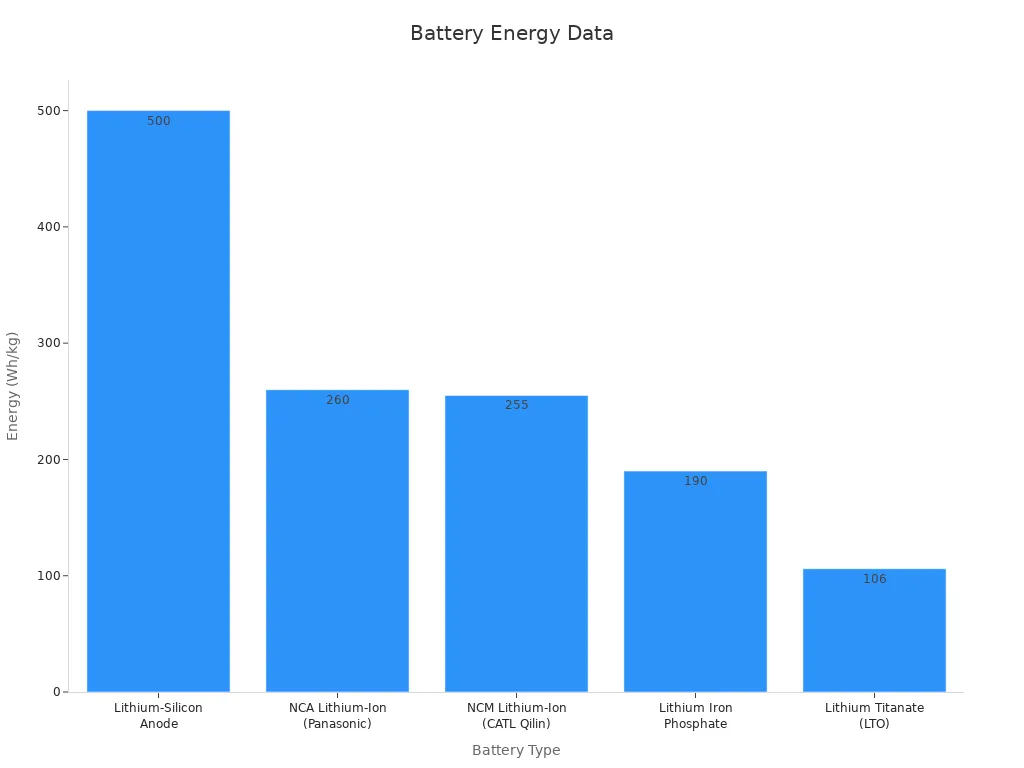
Skyfie leads the way by mass-producing power banks with semi solid-state battery technology, delivering both enhanced safety and impressive cycle life.
Key Takeaways
- Semi solid-state batteries offer the best balance of safety, lifespan, and fast charging for most users in 2025.
- Skyfie leads mass production of semi solid-state batteries, making advanced, safer power banks widely available.
- Solid-state batteries promise the highest energy density and safety but remain costly and hard to find.
- Lithium-ion batteries are affordable and common but have moderate safety and shorter lifespans compared to newer types.
- Semi solid-state batteries reduce fire risks by using less liquid electrolyte and blocking dangerous dendrite growth.
- Fast charging is possible with semi solid-state and lithium-ion batteries, while solid-state batteries charge slower currently.
- Choosing the right battery depends on safety, performance, and cost needs, with semi solid-state batteries excelling in all three.
- Skyfie power banks combine high energy density, advanced safety, long life, and user-friendly features for reliable portable power.
Quick Verdict
Best for 2025
| Feature | Lithium-Ion | Solid-State | Semi Solid-State |
|---|---|---|---|
| Safety | Moderate | Excellent | Excellent |
| Energy Density | High | Very High (potential) | High |
| Lifespan | 500-1,500 cycles | 2,000+ cycles | 2,000+ cycles |
| Charging Speed | Fast | Moderate | Fast |
| Cost | Low | Very High | Moderate |
| Availability | Widely available | Limited, early stage | Mass-produced (Skyfie) |
Note: The table above shows how each battery type performs in key areas. Semi solid-state batteries, like those from Skyfie, offer a strong balance of safety, lifespan, and availability.
Skyfie’s semi solid-state battery stands out as the best choice for most users in 2025. It combines high safety with long cycle life and fast charging. Unlike traditional lithium-ion batteries, it reduces fire risk and lasts longer. Solid-state batteries promise even higher energy density and safety, but they remain expensive and hard to find. Skyfie’s mass production of semi solid-state batteries makes advanced technology accessible for everyday use.
Key Differences
Safety:
Lithium-ion batteries can overheat or catch fire if damaged. Solid-state and semi solid-state batteries use safer materials and resist thermal runaway. Skyfie’s design adds extra protection for users.Energy Density:
Solid-state batteries may reach the highest energy density, but most are not yet available. Lithium-ion batteries offer high energy storage, but semi solid-state batteries provide nearly the same level with better safety.Lifespan:
Semi solid-state and solid-state batteries both last much longer than standard lithium-ion batteries. Users can expect thousands of charge cycles before seeing a drop in performance.Charging Speed:
Lithium-ion and semi solid-state batteries both support fast charging. Solid-state batteries often charge slower due to current technology limits.Cost and Availability:
Lithium-ion batteries remain the cheapest and easiest to find. Solid-state batteries cost much more and are not widely sold. Skyfie’s semi solid-state battery products offer a middle ground, with reasonable prices and mass-market availability.
Tip: For those who want the safest, longest-lasting, and most practical battery in 2025, Skyfie’s semi solid-state battery power banks lead the market.
Technology Overview
Lithium-Ion
Lithium-ion batteries have powered most portable electronics and electric vehicles for years. Their structure includes a positive electrode (cathode), a negative electrode (anode), and a liquid electrolyte that allows lithium ions to move between the electrodes during charging and discharging. The liquid electrolyte helps ions travel quickly, but it also introduces safety risks. Overheating or damage can cause the liquid to catch fire or expand. Most lithium-ion batteries reach up to 300 Wh/kg in energy density. They offer fast charging, but their lifespan is limited to about 500 to 1,500 cycles. Recent research shows that including lithium-ion batteries in composite structures can change how these materials handle stress and damage, which affects both safety and performance.
Solid-State
Solid-state batteries use a solid electrolyte instead of a liquid one. This change improves safety because solid electrolytes do not leak or catch fire easily. The solid electrolyte also allows for the use of lithium metal anodes, which nearly double the energy density compared to lithium-ion batteries, sometimes reaching over 600 Wh/kg. Solid-state batteries can last much longer and charge faster—up to six times faster than lithium-ion batteries. However, they face challenges like slow ion movement, mechanical instability, and complex manufacturing. Scientists use advanced models to study how these batteries handle stress and heat. They also test new materials, such as ferroelectric-electrolyte composites, to improve safety and capacity. Despite their promise, solid-state batteries remain expensive and hard to produce at scale.
Semi Solid-State Battery
A semi solid-state battery combines features from both lithium-ion and solid-state designs. It uses a hybrid electrolyte: one electrode contains a liquid or gel, while the other uses a solid or gel-like material. This design reduces the amount of liquid electrolyte, lowering the risk of fire and improving safety. The energy density can reach up to 400 Wh/kg, higher than traditional lithium-ion batteries but less than all-solid-state types. Semi solid-state batteries also perform better at low temperatures and last longer than lithium-ion batteries. Their weight falls between lithium-ion and solid-state batteries. Engineers find that these batteries balance cost and performance, making them attractive for electric vehicles and consumer electronics. They also show better mechanical stability than lithium-ion batteries, though not as much as solid-state batteries. Researchers continue to use models and experiments to improve their structure and function.
Note: The table below summarizes the main technical differences among these battery types:
| Parameter | Lithium-Ion Battery | Solid-State Battery | Semi Solid-State Battery |
|---|---|---|---|
| Electrolyte Type | Liquid electrolyte | Solid electrolyte | Hybrid: liquid in one electrode, solid/gel in other |
| Energy Density | Up to ~300 Wh/kg | >600 Wh/kg | Up to 400 Wh/kg |
| Safety | Risk of overheating, expansion, fire | Higher safety, reduced thermal risk | Improved safety over lithium-ion |
| Lifespan | 500-1,500 cycles | Up to 5 times longer | Longer than lithium-ion |
| Charging Speed | 20 min–12 hours | Up to 6x faster | Faster than lithium-ion |
| Weight | Heavier | Lighter | Intermediate |
| Cost | Lower | Higher | Lower than solid-state, higher than lithium-ion |
| Temperature Performance | Moderate, sensitive to extremes | Better high-temp stability | Better low-temp, worse at high-temp |
| Current Challenges | Safety risks | Conductivity, stability, scalability | Balances cost and performance |
Safety
Lithium-Ion Risks
Lithium-ion batteries power many devices today, but they carry notable safety risks. The liquid electrolyte inside these batteries can catch fire if the battery gets damaged or overheats. Some lithium-ion chemistries, such as Lithium Iron Phosphate (LFP), show better resistance to thermal runaway. However, LFP batteries can still produce vent gases with a lower explosion limit, which means they may ignite more easily under certain conditions. Manganese-based lithium-ion batteries fall between LFP and Nickel Cobalt Manganese (NCM) types in terms of thermal stability and combustion risk. Tests like adiabatic calorimetry and side heating help researchers measure how these batteries react to heat and pressure. These tests reveal that lithium-ion batteries can reach dangerous temperatures quickly, especially during high-rate charging or discharging. Mechanical shocks or punctures may also cause internal short circuits, leading to fires or explosions.
Solid-State Safety
Solid-state batteries replace the liquid electrolyte with a solid material, which greatly improves safety. The solid electrolyte does not leak or catch fire as easily as a liquid. This change reduces the risk of thermal runaway, making solid-state batteries safer than most lithium-ion types. However, solid-state batteries are not completely risk-free. Exothermic reactions can still occur at high temperatures, releasing heat and gases. Researchers use metrics like total heat release and thermochemical properties to study these risks. Solid-state batteries often show better thermal stability, but they can develop higher internal resistance. This resistance can cause the battery to heat up during fast charging or heavy use. Temperature differences inside the battery may exceed 5 °C under stress, which can affect performance and safety. Engineers work to improve electrolyte conductivity and optimize particle size to manage heat more effectively.
Semi Solid-State Battery Safety
Semi solid-state batteries combine features from both lithium-ion and solid-state designs, offering a strong safety profile. Skyfie’s semi solid-state battery power banks show a major improvement by stopping dendrite growth on the anode. Dendrites are tiny metal fibers that can cause short circuits, overheating, or even explosions in traditional batteries. By blocking dendrite formation, Skyfie reduces the risk of these dangerous failures. Semi solid-state batteries also handle high-rate discharge better, with less temperature rise during heavy use. This means the battery stays cooler and safer, even when charging or discharging quickly. The hybrid electrolyte design lowers the chance of fire and improves mechanical stability. Users benefit from safer charging and longer battery life, making these batteries a reliable choice for portable electronics and power banks.
Tip: Skyfie’s semi solid-state battery technology offers safer charging experiences and longer-lasting performance, setting a new standard for portable power solutions.
Energy Density
Lithium-Ion Capacity
Lithium-ion batteries have set the standard for energy density in portable electronics and electric vehicles. Most lithium-ion cells today reach up to 300 Wh/kg. This value means they can store a large amount of energy in a small space. Recent scientific reviews show that new lithium-ion designs may soon reach 400 Wh/kg. These improvements come from better materials, such as silicon-based anodes and advanced electrolytes. Manufacturers like CATL and BYD have built large factories to produce these batteries at scale. LMFP (Lithium Manganese Iron Phosphate) batteries, a new type of lithium-ion battery, offer 15-20% higher energy density than LFP (Lithium Iron Phosphate) batteries. LMFP batteries also work well at low temperatures and keep about 75% of their capacity at -20°C. This makes them a strong choice for electric vehicles that need longer range and better cold-weather performance.
| Feature/Metric | LMFP Batteries (2025) | LFP Batteries (2025) |
|---|---|---|
| Energy Density Increase | 15-20% higher than LFP | Baseline |
| Operating Voltage | 3.5-4.1 V | 3.2-3.5 V |
| Low-Temperature Capacity Retention | ~75% at -20°C | 60-70% at -20°C |
| EV Range Impact | >700 km (420 miles) | ~620 km (370 miles) |
Lithium-ion batteries remain the most common choice for many devices because they balance energy density, safety, and cost.
Solid-State Potential
Solid-state batteries promise a major leap in energy density. By replacing the liquid electrolyte with a solid one, these batteries can use lithium metal anodes. Lithium metal anodes start at 400–500 Wh/kg and could reach over 1000 Wh/kg in the future. This means solid-state batteries can store two to two and a half times more energy than current lithium-ion batteries. The higher energy density allows electric vehicles to travel farther on a single charge. Some studies predict that solid-state batteries could push EV ranges beyond 700 kilometers. However, these batteries remain expensive and difficult to produce in large numbers. Researchers continue to test new materials and designs to unlock their full potential.
| Battery Type | Energy Density (Wh/kg) | Notes |
|---|---|---|
| Lithium-Ion | Baseline (1x) | Current standard technology |
| Solid-State | 2 to 2.5 times higher than Lithium-Ion | Significant increase |
| Lithium Metal Anodes | 400–500 (starting), up to 1000+ | Used in solid-state batteries |
Solid-state batteries could change the future of energy storage, but most consumers will not see them widely available in 2025.
Semi Solid-State Battery Density
Semi solid-state batteries offer a middle ground between lithium-ion and solid-state types. These batteries use a mix of liquid and solid or gel electrolytes. Simulation tests and early market deployments show that they have excellent electrochemical properties. However, specific energy density numbers are not yet available. Experts expect these batteries to perform better than traditional lithium-ion batteries but not reach the highest levels of solid-state designs. Their improved safety and stability make them attractive for power banks and electric vehicles. As technology advances, more data will become available to show exactly how much energy these batteries can store.
Note: Semi solid-state batteries combine strong safety with promising energy density, making them a practical choice for many users in 2025.
Lifespan
Lithium-Ion Cycles
Lithium-ion batteries have become the standard for many electronic devices and electric vehicles. Their lifespan depends on how many times users can fully charge and discharge them before the battery’s capacity drops to about 80% of its original value. Most lithium-ion batteries last between 500 and 1,500 cycles. Some advanced types, such as lithium iron phosphate (LFP) batteries, can reach up to 6,000 cycles under ideal conditions. Lifespan studies show that LFP batteries can last 15 to 20 years in real-world applications. These batteries tolerate deep discharges and high cycle counts, making them popular for solar energy storage and electric vehicles. However, several factors affect their longevity. High temperatures speed up battery degradation. Fast charging and discharging, known as high C-rates, also wear out the battery faster. Battery management systems (BMS) help monitor and protect lithium-ion batteries, extending their useful life by controlling temperature and charging rates.
Solid-State Longevity
Solid-state batteries promise even longer lifespans than traditional lithium-ion batteries. Researchers have tested solid-state lithium polymer batteries with different cathode materials, such as LFP and NCM. These tests involve charging and discharging the batteries repeatedly at controlled temperatures until their capacity drops to 80%. Solid-state batteries can last more than 2,000 cycles, and some laboratory results suggest even higher numbers. Unlike lithium-ion batteries, solid-state types face unique challenges. Their main issue comes from increased resistance at the solid-solid interfaces inside the battery. This resistance can grow over time, reducing performance and shortening lifespan. Machine learning models now help predict how long these batteries will last, but results can vary. Despite these challenges, solid-state batteries offer excellent longevity and stability, especially when paired with advanced battery management and thermal control systems.
Semi Solid-State Battery Life
Semi solid-state batteries combine features from both lithium-ion and solid-state designs. They use a hybrid electrolyte system, which helps them achieve a longer lifespan than most lithium-ion batteries. Many semi solid-state batteries can last over 2,000 cycles before their capacity drops significantly. Reliability tests in battery manufacturing play a key role in ensuring this long life. Manufacturers use electrical, thermal, and mechanical tests to check each battery’s performance and safety. They inspect raw materials, test electrode coatings, and verify the structure of each cell. End-of-line testing confirms that the finished batteries meet strict standards. These steps reduce early failures and help batteries perform well in real-world use. Lifespan studies show that semi solid-state batteries maintain low failure rates for many years, especially when used with advanced battery management systems. Factors such as temperature, depth of discharge, and charging speed still influence their longevity, but improved design and quality control make them a reliable choice for 2025.
Tip: Advanced battery management and careful use can extend the life of any battery, but new designs like solid-state and semi solid-state batteries offer the best potential for long-term reliability.
Charging Speed
Lithium-Ion Speed
Lithium-ion batteries have powered many devices for years. Traditionally, these batteries required longer charging times, often taking several hours to reach a full charge. Recent developments have changed this landscape. Companies like CATL and BYD in China now produce lithium-ion batteries that can charge much faster. Some electric vehicles using these new batteries can charge from nearly empty to full in as little as five minutes. This ultra-fast charging technology narrows the gap between lithium-ion and newer battery types. However, most conventional lithium-ion batteries still take longer to charge, especially when compared to the latest solid-state and semi solid-state designs. Fast charging can also increase heat, so battery management systems play a key role in keeping the battery safe during rapid charging.
Solid-State Speed
Solid-state batteries use a solid electrolyte, which changes how quickly they can charge. Early versions of solid-state batteries charged slowly because ions moved through the solid material at a slower rate. Recent advances have improved this speed. For example, the Factorial FEST technology allows a solid-state battery to charge from 15% to 90% in just 18 minutes at room temperature. This battery uses a lithium-metal anode and a quasi-solid electrolyte, which helps ions move faster. The battery also works well in a wide range of temperatures, from -30°C to 45°C. High discharge rates, up to 4C, are possible, making these batteries suitable for electric vehicles and other high-power applications. Solid-state batteries now offer both fast charging and high energy density, but they remain less common in the market due to higher costs and manufacturing challenges.
Semi Solid-State Battery Speed
Semi solid-state batteries combine the best features of both liquid and solid electrolytes. This design improves safety and allows for faster charging. The Factorial FEST technology, which uses a hybrid electrolyte, can charge from 15% to 90% in only 18 minutes at room temperature. This speed matches the best solid-state batteries and outperforms most conventional lithium-ion batteries. The battery also maintains high energy density and works in extreme temperatures. Manufacturers can use existing production lines to make these batteries, which helps lower costs and speed up adoption. Fast charging does not cause as much heat buildup, so these batteries stay safer during use.
Note: The table below compares charging times for each battery type:
| Battery Type | Charging Time (15% to 90%) | Key Features and Notes |
|---|---|---|
| Solid-State (Stellantis & Factorial FEST) | 18 minutes at room temperature | Uses lithium-metal anode, quasi-solid electrolyte; high energy density (~375 Wh/kg); operates in -30°C to 45°C; supports fast charging and high discharge rates (up to 4C). |
| Semi Solid-State (Factorial FEST) | 18 minutes at room temperature | Combines solid matrix with gel/liquid electrolyte; improved safety and ionic conductivity; compatible with existing manufacturing; high energy density (~375 Wh/kg). |
| Lithium-Ion (Conventional) | Typically slower; not explicitly detailed | Conventional lithium-ion batteries have slower charging times compared to solid-state; however, Chinese companies (CATL, BYD) are developing ultra-fast charging lithium-ion tech enabling full charge in as little as 5 minutes. |
Fast charging technology continues to improve, making batteries more convenient for daily use. Users should always follow manufacturer guidelines to ensure safety and long battery life.
Cost and Availability
Lithium-Ion Cost
Lithium-ion batteries remain the most affordable and widely available option in 2025. Their cost ranges from 0.5 to 0.7 RMB per watt-hour, making them the baseline for battery pricing. Manufacturers have optimized production over many years, which keeps costs low. Most consumer electronics and electric vehicles use lithium-ion batteries because they offer a good balance of price and performance. Factories in China, South Korea, and Japan produce these batteries at a massive scale. This global supply chain ensures steady availability and competitive pricing for most buyers.
Solid-State Cost
Solid-state batteries cost much more than lithium-ion batteries. In 2025, their price reaches about 5 RMB per watt-hour, which is five to ten times higher than traditional lithium-ion cells. The high cost comes from expensive materials, such as solid electrolytes, and complex manufacturing processes. Most solid-state batteries remain in the pilot production stage. Only a few companies can make them, and they often target niche markets like luxury electric vehicles or advanced energy storage. Limited supply and high prices mean that most consumers will not see solid-state batteries in everyday products soon. Experts expect costs to drop by 2030 as new materials and better production methods become available.
| Battery Type | Cost (RMB/Wh, 2025) | Cost Multiple vs Liquid Li-ion | Availability Notes |
|---|---|---|---|
| Liquid Lithium-Ion | 0.5 – 0.7 | 1x (baseline) | Widely available, most cost-effective in 2025 |
| Semi-Solid-State | 1.5 – 2.5 | 3 – 5x | Near-term commercial viability, growing EV demand, especially in China |
| All-Solid-State | ~5 | 5 – 10x | Limited to niche applications, high cost, pilot production stage |
Note: Solid-state batteries remain expensive and rare in 2025, but future innovations may lower their price.
Semi Solid-State Battery Cost
The semi solid-state battery offers a middle ground between lithium-ion and solid-state batteries. Its cost ranges from 1.5 to 2.5 RMB per watt-hour, about three to five times higher than lithium-ion but much less than all-solid-state batteries. This battery type uses a semi-solid or gel-like electrolyte, which simplifies manufacturing and helps lower production costs. Companies in Asia, such as CATL and Ganfeng Lithium, lead the way in scaling up production. Their strong research and manufacturing capabilities support rapid growth and efficient supply. The market for semi solid-state batteries is expected to reach $5 billion in 2025, with fast growth driven by electric vehicle demand and government incentives. Skyfie stands out by mass-producing power banks with this technology, making advanced batteries more accessible to everyday users. Vertical integration and ongoing investments help these batteries become more affordable and available. While challenges remain, such as raw material supply and competition with traditional lithium-ion prices, the semi solid-state battery bridges the gap between old and new technologies.
- Key points about semi solid-state battery commercialization:
- Closer to mass-market deployment than fully solid-state batteries.
- Easier to manufacture and scale up.
- Supported by strong R&D and efficient production in Asia.
- Growing demand from electric vehicles and consumer electronics.
Skyfie’s mass production and market presence show that semi solid-state batteries are not just a future promise—they are a practical solution available today.
Applications
Consumer Electronics
Battery technology shapes the performance and safety of everyday devices. Smartphones, laptops, tablets, and wearables rely on batteries that deliver high energy density and long life. Lithium-ion batteries remain the most common choice in this sector. They offer a good balance between size, weight, and power. Nickel Manganese Cobalt (NMC) batteries, a type of lithium-ion, provide high energy density—up to 260 Wh/kg. This allows manufacturers to design slim and lightweight devices that last all day.


Manufacturers focus on improving battery reliability and safety. They use advanced battery management systems to prevent overheating and extend battery life. Scientific studies show that new safety mechanisms and early failure detection help reduce risks in consumer electronics. These improvements mean users experience fewer battery-related problems, such as swelling or sudden shutdowns.
Cost also plays a big role. Lithium Iron Phosphate (LFP) batteries, while less energy-dense, offer better safety and longer lifespans at a lower cost. Some tablets and entry-level devices now use LFP batteries for these reasons. As technology advances, users can expect even safer and longer-lasting batteries in their favorite gadgets.
Electric Vehicles
Electric vehicles (EVs) depend on batteries for range, safety, and performance. Lithium-ion batteries, especially NMC and LFP types, dominate the EV market. NMC batteries provide high energy density, which helps cars travel farther on a single charge. LFP batteries offer a longer lifespan—over 2,000 cycles—and better heat resistance. They also cost about 30% less than other lithium-ion types, making EVs more affordable.
A case study from Slovenia highlights how EV batteries support both mobility and energy storage. The average EV in Slovenia uses 195 Wh per kilometer and consumes about 3,076 kWh each year. If every personal vehicle in the country switched to electric, the total yearly energy use would reach 3,715 GWh. The study also shows that EVs spend most nights parked, which creates opportunities for using their batteries as distributed energy storage. This could help balance the grid and support renewable energy sources like solar power.
Industry reports confirm that battery choice affects EV performance and cost. LFP batteries are gaining popularity for their safety and affordability, while NMC batteries remain the top pick for high-performance vehicles.
Energy Storage
Energy storage systems use batteries to store electricity for later use. These systems help stabilize the power grid and support renewable energy sources. Lithium-ion batteries lead the market due to their high efficiency and long cycle life. LFP batteries, in particular, stand out for their safety and ability to operate at high temperatures—up to 60 °C. They also have a lower carbon footprint and last for thousands of cycles.
Researchers continue to improve battery safety and reliability for energy storage. They develop new ways to detect early signs of failure and manage mechanical stress. These advances ensure that large-scale battery installations remain safe and effective over many years.
The table below summarizes key battery technologies and their advantages in different sectors:
| Battery Technology | Key Advantages | Performance Metrics | Suitable Sectors |
|---|---|---|---|
| LFP | Cost-effective, safer, long life, heat resistant | >2000 cycles, up to 60°C, ~30% lower cost | Energy storage, EVs, budget electronics |
| NMC | High energy density, high power output | 260 Wh/kg | Premium electronics, high-performance EVs |
Battery technology continues to evolve, making devices, vehicles, and energy systems safer, more reliable, and more efficient.
Skyfie Power Banks
Skyfie has become a leader in portable power solutions by bringing advanced battery technology to everyday users. Their power banks use the latest battery innovations to deliver reliable, safe, and long-lasting energy for a wide range of devices. People who need to charge smartphones, tablets, laptops, or other electronics on the go can trust Skyfie products for consistent performance.
Skyfie power banks stand out because of their focus on safety. The company uses advanced battery management systems to monitor temperature, voltage, and current in real time. This technology helps prevent overheating, overcharging, and short circuits. Users can feel confident that their devices and personal safety remain protected during every charge.
The performance of Skyfie power banks also impresses many users. These devices offer high energy density, which means they store more power in a smaller, lighter package. Travelers, students, and professionals appreciate the convenience of carrying a compact power bank that still delivers multiple charges for their devices. Fast charging support allows users to recharge their phones or tablets quickly, saving valuable time during busy days.
Skyfie designs its power banks for durability and long life. The batteries inside can handle thousands of charge and discharge cycles before losing significant capacity. This long lifespan reduces the need for frequent replacements, which helps users save money and reduces electronic waste.
Tip: Skyfie power banks work well in both hot and cold environments. Users can rely on them during summer trips or winter adventures without worrying about battery failure.
Skyfie also pays attention to user-friendly features. Many models include multiple output ports, allowing users to charge several devices at once. LED indicators show the remaining battery level, so users always know when it is time to recharge the power bank. Some models even support wireless charging, making it easier to power up compatible devices without extra cables.
The table below highlights key features of Skyfie power banks:
| Feature | Benefit |
|---|---|
| High energy density | More charges in a compact size |
| Advanced safety system | Protection from overheating and surges |
| Fast charging support | Quick power for devices |
| Long cycle life | Fewer replacements needed |
| Multi-device support | Charge several devices at once |
| LED indicators | Easy battery level monitoring |
Skyfie continues to innovate by using semi solid-state battery technology in its latest power banks. This approach combines high safety, long lifespan, and strong performance, making Skyfie a top choice for portable energy in 2025.
Future Outlook
Lithium-Ion Trends
Lithium-ion batteries continue to lead the global battery market. Companies like Tesla and CATL have introduced new high-energy cells, such as the 4680 and Qilin batteries, which increase range and efficiency for electric vehicles. AI-driven battery management systems now help control temperature and charging, making batteries safer and longer-lasting. By 2030, experts expect lithium-ion batteries to hold about 80% of the market share. Electric vehicles will use most of these batteries, with demand for lithium expected to reach 3 million metric tons per year. The Asia Pacific region, especially China, leads in manufacturing and innovation. Over 400 gigafactories are planned by 2030, showing rapid growth. Battery subscription services and wireless charging will also change how people use and access batteries.
Note: Lithium-ion technology keeps improving, but faces challenges with raw material supply and recycling.
| Battery Type / Technology | Technological Advancement / Forecast | Market Presence / Forecast |
|---|---|---|
| Lithium-ion (Li-ion) | High energy density, AI management, advanced thermal systems | 80% market share by 2030, EVs drive demand |
Solid-State Progress
Solid-state batteries show strong growth and innovation. The global solid-state battery market is set to rise from about USD 2 billion in 2024 to between USD 19.4 and 33.4 billion by 2034. This means a compound annual growth rate of over 25%. Solid-state batteries offer higher energy density, better safety, and faster charging than traditional lithium-ion batteries. New materials, such as silicon anodes and composite electrolytes, help solve problems like brittleness and slow ion movement. Governments in North America, Europe, and Asia support research and production with incentives and policies. North America holds over 40% of the lithium solid-state battery market, thanks to strong R&D and government support. The automotive sector leads demand, but consumer electronics and medical devices also benefit from these advances.
Tip: Solid-state batteries may soon replace or work alongside lithium-ion batteries, especially in electric vehicles and high-performance devices.
| Battery Technology | Market Size (2024) | Projected Market Size (2033-2034) | CAGR (%) | Key Drivers and Trends |
|---|---|---|---|---|
| Solid-State Batteries | USD 2.04 billion | USD 19.4 – 33.38 billion | 25.5-36.4 | High energy density, safety, EV demand |
Semi Solid-State Battery Advances
Semi solid-state batteries have emerged to address the limits of traditional lithium-ion technology. These batteries focus on improving safety and lifespan while keeping costs lower than full solid-state designs. Manufacturers in Asia, especially China, have started mass production for electric vehicles and consumer electronics. The market for these batteries grows quickly as companies seek safer and longer-lasting solutions. Ongoing research aims to improve performance and reduce costs further. As more products use this technology, users can expect better reliability and safety in their devices.
Callout: The future of batteries will likely include a mix of lithium-ion, solid-state, and semi solid-state technologies, each serving different needs as innovation continues.
Choosing the Right Battery
Safety Needs
Safety remains a top priority for many users when selecting a battery. People often look for batteries that resist overheating, fire, and mechanical damage. Battery technology has advanced to address these concerns. For example, batteries with advanced management systems monitor temperature and voltage in real time. This helps prevent dangerous situations like thermal runaway or short circuits.
Some battery types use materials that do not catch fire easily. These batteries offer better protection in case of accidents or misuse. In recent years, manufacturers have improved battery designs to block the growth of metal fibers inside the cell. This reduces the risk of internal short circuits. Many users choose batteries with these safety features for devices they carry daily, such as smartphones and laptops.
Weather resilience also plays a role in safety. Batteries tested for performance in extreme temperatures show fewer failures. Consumers who live in areas with hot summers or cold winters benefit from batteries that work well in all conditions. Safety-focused buyers should check for certifications and reviews that highlight these features.
Performance Needs
Performance matters most for users who demand high power and long runtime. People who use electric vehicles, power tools, or high-end electronics often need batteries that deliver strong output and last through many charge cycles. Comparative studies in 2025 show that battery-powered tools now match or exceed the performance of traditional gas-powered models. These studies measure power output, runtime, and user convenience.
Manufacturers design batteries for specific applications. Some batteries provide quick bursts of energy for starting engines, while others offer steady power for long periods. For example, premium batteries in the Group 48 (H6) and Group 35 categories deliver high performance and broad compatibility with many vehicles. Users who need reliable power for demanding tasks should look for batteries tested for long life and correct cranking power.
Battery management systems also improve performance. They balance the charge across cells and protect against overuse. This ensures the battery delivers consistent power over time. Performance-focused buyers should compare models based on tested output, cycle life, and compatibility with their devices.
Cost Needs
Cost influences many battery choices. Some users want the best performance, while others look for value. Battery prices vary by type, technology, and brand. For example, premium batteries with advanced features often cost more. However, some less expensive models perform nearly as well as high-end options.
Consumer testing in 2025 included over 100 battery models, covering both premium and budget options. The results show that some affordable lead-acid batteries match the performance of pricier AGM models. Buyers can save money by choosing a battery that fits their needs without paying for extra features they may not use.
The table below highlights several battery groups, their prices, and key notes:
| Battery Group | Model & Price | Vehicle Compatibility | Key Performance Notes |
|---|---|---|---|
| Group 24/24F | X2Power SLI24FAGMDP ($350) | Acura, Honda, Infiniti, Lexus, Nissan, Toyota | Long life, strong cranking power |
| Group 35 | Odyssey Extreme Series 35-PC1400T ($323.99) | Honda, Mazda, Nissan, Subaru, Toyota | High performance; EverStart MAXX-35N ($140) for savings |
| Group 49 (H8) | ACDelco 49 AGM ($184.99) | Audi, BMW, Hyundai, Mercedes-Benz | Cost-effective AGM option |
Buyers should consider both upfront cost and long-term value. A battery with a longer lifespan may cost more at first but save money over time. Cost-conscious consumers can find reliable options by checking test results and comparing prices.
Skyfie Recommendation
Skyfie stands out as a leader in portable power solutions for 2025. The company focuses on delivering products that meet the needs of safety, performance, and value. Many users want a battery that works reliably in daily life. Skyfie addresses these needs with advanced technology and thoughtful design.
Skyfie power banks use the latest battery innovations. These devices offer high energy density, which means users can charge their phones or laptops multiple times before recharging the power bank. The batteries inside Skyfie products last for thousands of cycles. This long lifespan reduces the need for frequent replacements and helps users save money over time.
Safety remains a top priority for Skyfie. The company uses advanced battery management systems in every power bank. These systems monitor temperature, voltage, and current. They help prevent overheating, overcharging, and short circuits. Users can trust Skyfie products to keep their devices and themselves safe.
Skyfie also makes its power banks easy to use. Many models include multiple output ports. This feature allows users to charge several devices at once. LED indicators show the remaining battery level, so users always know when to recharge. Some models support wireless charging, which adds convenience for people with compatible devices.
The table below highlights why Skyfie power banks are a smart choice:
| Feature | Benefit |
|---|---|
| High energy density | More charges in a compact size |
| Advanced safety system | Protection from overheating and surges |
| Fast charging support | Quick power for devices |
| Long cycle life | Fewer replacements needed |
| Multi-device support | Charge several devices at once |
| LED indicators | Easy battery level monitoring |
Skyfie’s commitment to quality and innovation makes its products a top recommendation for anyone seeking reliable portable power in 2025.
Skyfie continues to invest in research and development. The company works with leading battery manufacturers to bring new features and better performance to its customers. As battery technology evolves, Skyfie adapts quickly to offer the best solutions. People who choose Skyfie get a product that balances safety, performance, and cost. For most users, Skyfie power banks represent the best mix of advanced technology and everyday practicality.
Choosing the right battery in 2025 depends on safety, lifespan, and specific needs. Semi solid-state battery technology stands out for its safety, long cycle life, and growing availability.
- The market for these batteries is growing fast, driven by electric vehicles and clean energy goals.
- Strong partnerships, AI-driven design, and a focus on sustainability support their rise.
- These batteries solve problems like overheating and fast wear.
Studies show that matching battery choice to real-world use, such as driving or device habits, leads to better performance and longer life. Ongoing innovation may change the landscape, but semi solid-state battery solutions like Skyfie’s lead the way today.
FAQ
What makes semi solid-state batteries safer than lithium-ion batteries?
Semi solid-state batteries use less liquid electrolyte. This design lowers the risk of fire and overheating. Skyfie’s technology also blocks dendrite growth, which helps prevent short circuits and battery failures.
Can solid-state batteries replace lithium-ion batteries in 2025?
Solid-state batteries offer higher energy density and better safety. However, most companies cannot mass-produce them yet. High costs and limited availability mean lithium-ion and semi solid-state batteries remain the main choices in 2025.
How long do Skyfie semi solid-state power banks last?
Skyfie power banks with semi solid-state batteries can last over 2,000 charge cycles. This lifespan means users can rely on them for several years before noticing a drop in performance.
Are semi solid-state batteries good for electric vehicles?
Yes. Semi solid-state batteries provide high energy density and long life. They also improve safety, which makes them a strong option for electric vehicles and other demanding uses.
How fast can users charge devices with Skyfie power banks?
Skyfie power banks support fast charging. Many models can charge devices from 15% to 90% in about 18 minutes. This speed matches or beats most other battery types available today.
Why do solid-state batteries cost more than other types?
Solid-state batteries use advanced materials and complex manufacturing processes. These factors raise production costs. Most companies have not scaled up production, so prices remain high in 2025.
What devices work best with semi solid-state batteries?
Semi solid-state batteries work well in smartphones, laptops, tablets, electric vehicles, and power banks. Their safety and long lifespan make them ideal for both portable electronics and larger energy storage systems.
Does cold weather affect semi solid-state battery performance?
Semi solid-state batteries perform better than lithium-ion batteries in cold weather. Users can expect reliable charging and discharging even at low temperatures, which helps in winter or outdoor conditions.